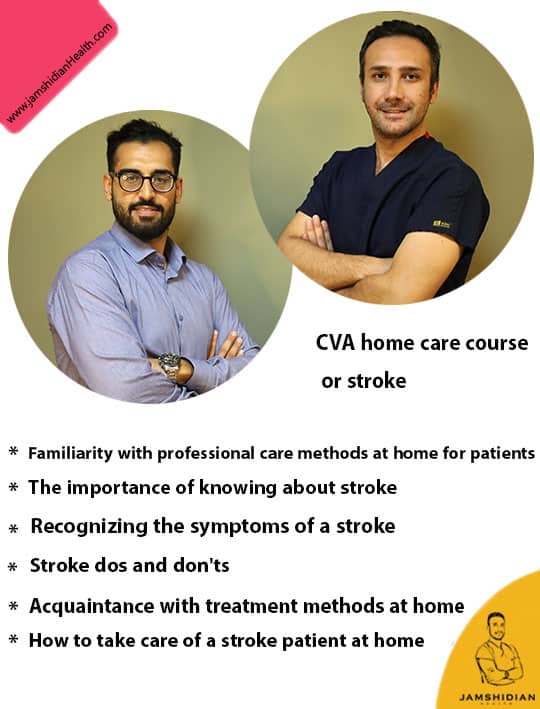
Lecturer of the Course of care for stroke patients
This course is taught by Mr. Hadi Yavari, Master of Geriatric Nursing and instructor of clinical nursing courses, instructor of the Faculty of Nursing of Shahid Beheshti University of Medical Sciences, Tehran.
Become a hero of life 🚀 Save the lives of your loved ones by knowing the symptoms of stroke
Stroke disease
Sudden brain dysfunction occurs due to the interruption of blood flow in a part of the brain.Stroke is an anxiety-provoking and serious condition that requires quick identification of symptoms to prevent harm to the patient.
This disease is one of the most common causes of death and neurological disorders.Stroke is the second cause of death in Iran, and after cancer and cardiovascular diseases, it is the third most common cause of death.700,000 to 750,000 people have a stroke every year, which results in 150,000 deaths.
A stroke happens every 45 seconds and a person dies every 3 minutes.Statistics show that 100 to 150 people out of every 100,000 people have a stroke in Iran. In Iran, due to the wrong lifestyle, stroke occurs ten years earlier than in other countries.

Types of stroke
- Ischemic stroke: It is the most common type of stroke. It includes nearly 85% of strokes. It is caused by blockage or narrowing of blood vessels to the brain and leads to a decrease in blood flow to the brain.
- Hemorrhagic stroke: This stroke occurs due to blood leakage or rupture of arteries in the brain. In this situation, the blood that leaks out of the artery and puts pressure on the brain cells causes damage to them. Rupture of brain vessels may cause complications such as high blood pressure and trauma.
- Mild or transient TIAs: These strokes are similar to ischemic strokes and are often caused by blood clots and other lesions. A mild stroke should be considered a medical emergency like any other stroke. This stroke is a warning sign that there is a blocked vessel or a source of blood clot.
Stroke symptoms
Rapid and correct diagnosis of stroke is vital. Knowing the danger signs for stroke can help prevent and manage it better. Symptoms such as severe headache, confusion, loss of balance, sudden weakness or loss of physical strength, problems in speech and vision, and disturbances in normal movements are signs of a stroke.
If these symptoms appear in you or your loved ones, see a doctor immediately.
Stroke patients should be immediately transferred to the appropriate hospital so that appropriate treatment measures can be taken and the effects of this dangerous condition can be avoided.
The main symptoms of a stroke
A stroke usually occurs quickly and is usually asymptomatic and sudden.
- Confusion and impaired speech and perception
- Headache with loss of consciousness and vomiting
- Visual impairment and blurred vision
- Numbness of the face, hands and feet (especially on one side of the body)
In which people do strokes occur more often?
People at high risk of having a stroke include the elderly, people with high blood pressure, diabetics, people with a family history, people with a history of stroke or heart attack, smokers, alcohol and drug users, obese and inactive people.

What should you do if someone has a stroke at home?
Call the emergency and listen to the plan of the emergency team
Sticking needles and razors in the patient’s hand to draw blood
Giving medicine to reduce pressure
Emergency Course of care for stroke patients
Urgent and vital measures to save the life of a stroke patient include expediting the patient’s delivery to the hospital, diagnosing a stroke by a specialist medical team, performing brain imaging tests such as CT and MRI scans, assessing the patient’s general condition, emergency measures such as injecting blood thinners, Removing complications such as respiratory and cardiac disorders. These steps increase the patient’s chances of recovery and reduce the effects of stroke.
How to take care of a stroke patient at home
Course of care for stroke patients includes maintaining the patient’s comfort and sleep, ensuring proper breathing and pulse, preventing nausea and vomiting by keeping the patient in a semi-sitting position, performing body movements, establishing social and psychological interaction with the patient, proper nutrition Safety measures include preventing falls and creating a safe environment for the patient.
Professional methods of Course of care for stroke patients
Professional care methods at home for stroke patients include monitoring the patient’s vital signs such as blood pressure, pulse and breathing, providing rehabilitation exercises under the supervision of a doctor or physiotherapist, providing appropriate and balanced nutrition to maintain body health, consuming enough fluids to prevent dehydration and injury. The lung is taking care of the patient’s skin against wounds and treating them, and planning properly to manage the patient’s pain and rest.
Jamshidian Health Academy organizes a course on care of stroke patients at home
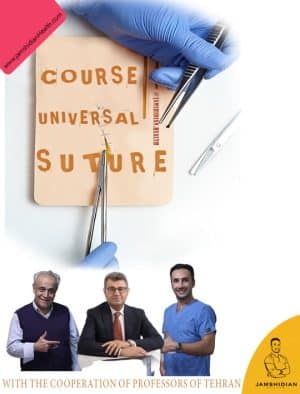
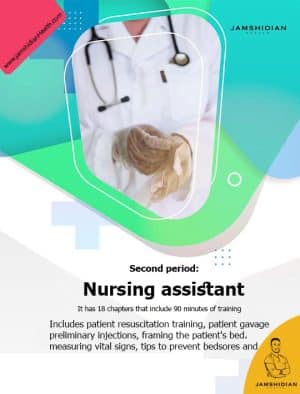
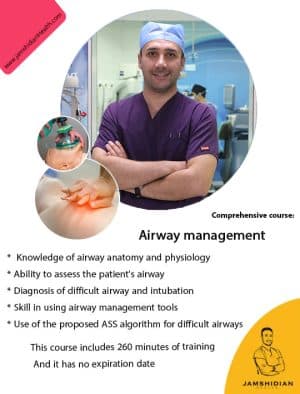
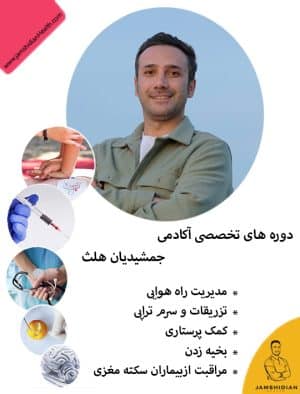
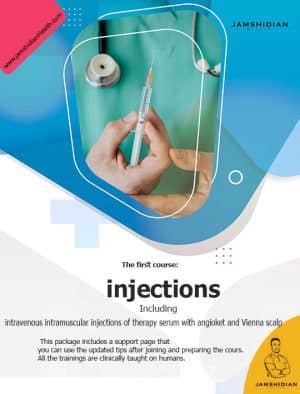
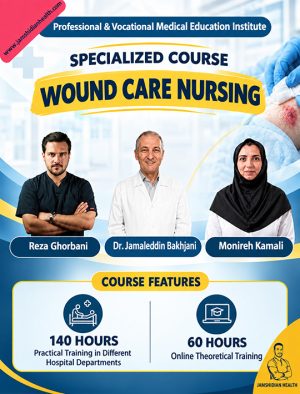
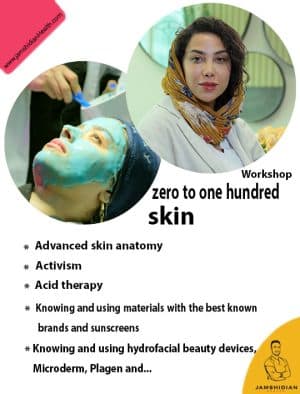
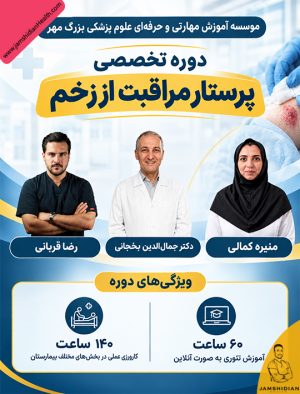
Jamshidian Health Academy by holding face-to-face and online medical and nursing training courses including business management course, wound and ostomy course, airway management course, injection course, nursing assistant course, suture course, skin course, botox course and… Taking advantage of a strong and skilled team, they have taken a step towards improving the health status of our country.
The trainings of this institution are suitable for all members of the society and they can participate in these courses and acquire skills.In addition to training, this center can also help you to establish a clinic and start a business in the field of beauty and wounds, so that you can walk on this path with the right insight and confidence.
With the Jamshidian Health team🏆،you will have no worries.
Comments and suggestions
dear user 💖 By registering your comments and suggestions regarding the holding of courses and the support of the Jamshidian Health team, help us provide more services.









نقد و بررسیها
هنوز بررسیای ثبت نشده است.